

​ ​

Buy Parts | myDuncan

Duncan Aviation logo
MENU
Historical Timeline
Honoring The Past
Join Us

Since 1956,

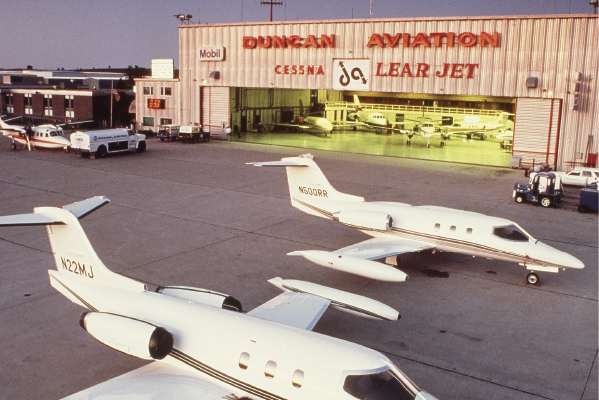
Duncan Aviation has grown from a single hangar to a global family of experts who support business jet operators worldwide. Through every service and solution, our promise remains the same: care deeply, work boldly, and treat everyone like one of our own.

Since 1956,

Duncan Aviation has grown from a single hangar to a global family of experts who support business jet operators worldwide. Through every service and solution, our promise remains the same: care deeply, work boldly, and treat everyone like one of our own.

1950s
1960s
1970s
1980s
1990s
2000s
2010s
2020s
Early-Years.jpg

1956

Donald Duncan becomes a partner in a Beechcraft distributorship in Omaha.


1958

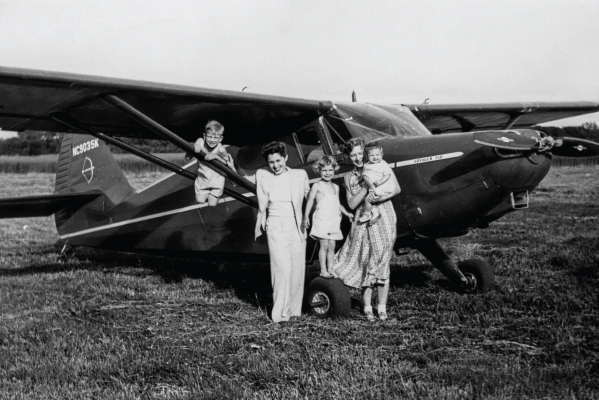
Donald Duncan’s son, Robert Duncan, begins taking flying lessons. He solos at  age 16 and sells his first aircraft for Duncan Aviation while still in high school.

1960s.jpg

1962

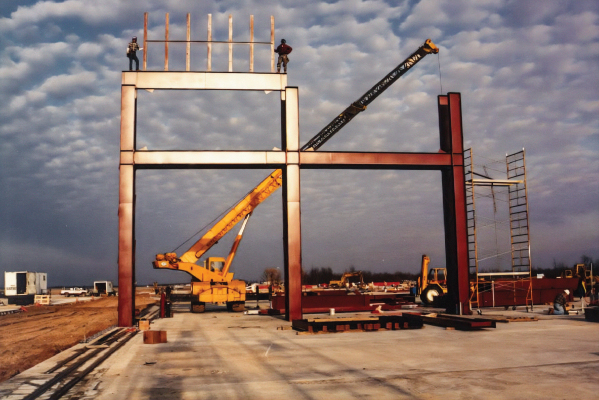
Duncan Aviation forms Panhandle Aviation and partners with Boeing to support construction of Minuteman Missile sites throughout the Midwest.

1963

Duncan Aviation opens a second operation at the then-new Municipal Airport in Lincoln, Nebraska. It keeps its Omaha, Nebraska, facility — for a few years, anyway.

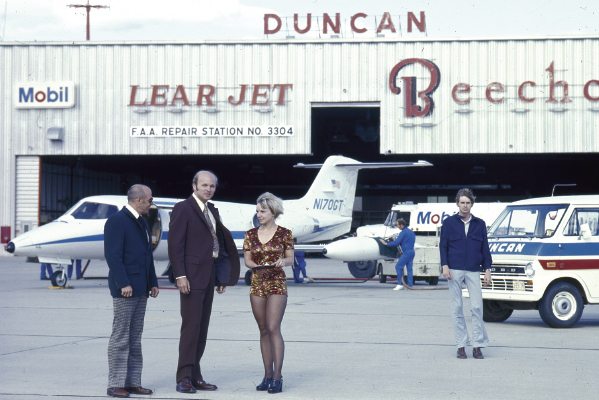
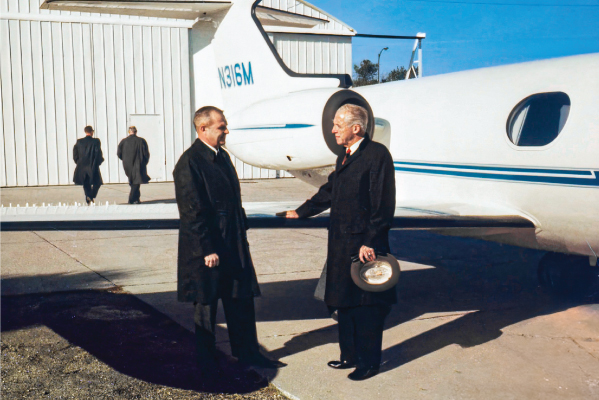
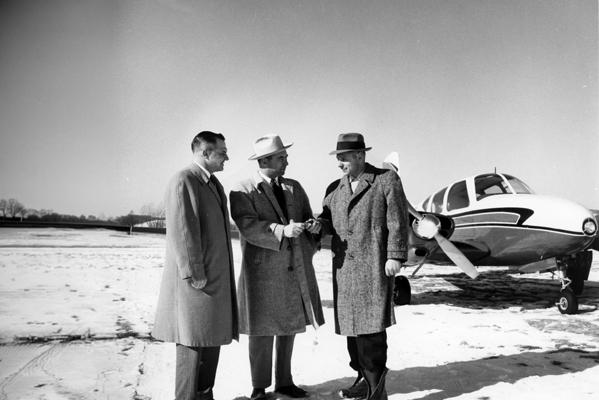
Duncan Aviation is named a Learjet distributor after a closed-door meeting between Donald Duncan, Bill Lear and five other financial backers.

1965

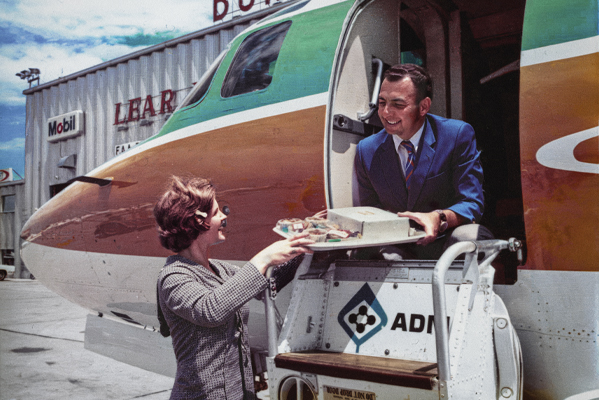
Duncan Aviation takes delivery of its first Learjet 23, Serial #13. In his lifetime, Donald sells Lucky Learjet #13 five different times.

1966

Todd Duncan is born.

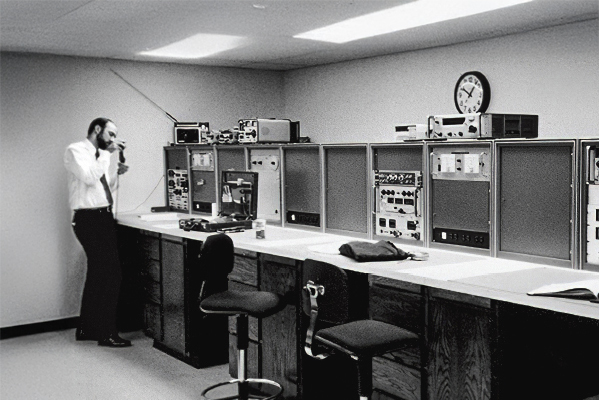
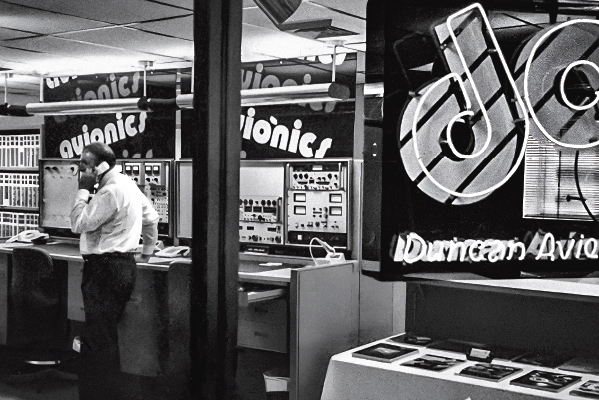
Duncan Aviation opens Avionics and Install Shop.

1967

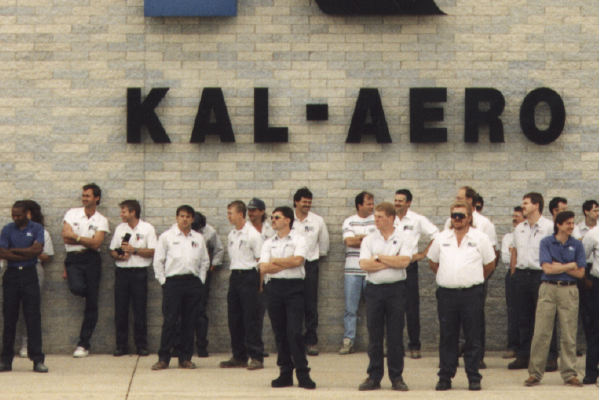
John Ellis moves to Kalamazoo, Michigan, late in the year and opens a fixed-base operation known as Kal-Aero Inc. (later Duncan Aviation-Battle Creek) with four full-time and three part-time employees.

Duncan Aviation begins air freight operations in Alaska through a contract with Alaska’s Bureau of Land Management. This work continues through 1990.

Duncan Aviation’s Omaha facility is sold and all Duncan Aviation operations are consolidated at the Lincoln facility. Duncan Aviation becomes a Factory Authorized Learjet Service Center.

1968

Robert Duncan is elected President of Duncan Aviation at age 26.

1970s.jpg

1971

Duncan Aviation recognizes a growing resale market for Learjets and begins to make the company a major player in the jet aftermarket. Donald Duncan takes risks, selling one aircraft and buying two more.

At its high point in the 1970s, Duncan Aviation accumulates more than $40 million in leased and inventoried aircraft.

1974

FedEx’s overnight service allows Duncan Aviation to expand its avionics and instrument send-in business and improve its customer service.

1978

Duncan Aviation’s Accessory Shop opens to repair Learjet accessory units.

1979

Duncan Aviation continues to see aircraft sales increase until 1979, when they peaked with the sale of 71 aircraft and the leasing of 27 at a total value of $35 million. After 1979, service sales begin increasing as aircraft sales diminish.

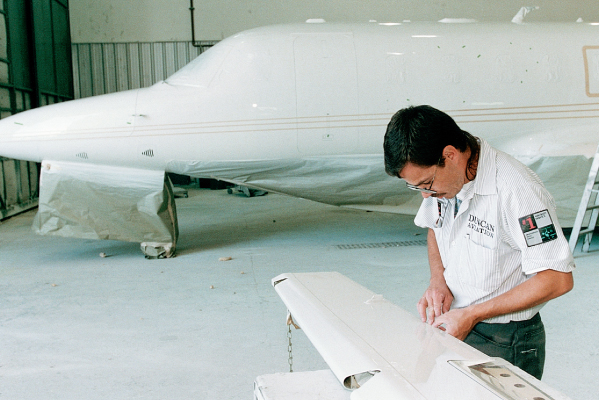
Duncan Aviation begins to paint aircraft exteriors with a full-service Paint Shop.

1980s.jpg

1980

Duncan Aviation’s Accessory Shop begins overhauling its first Learjet landing gear and purchased its first Lear stab actuator test stand.

1981

Donald Duncan dies unexpectedly at the age of 58.

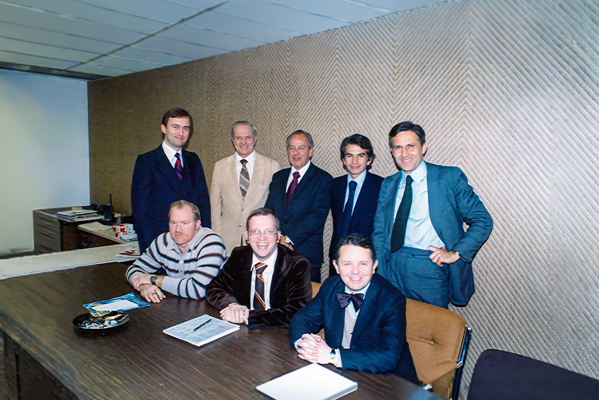
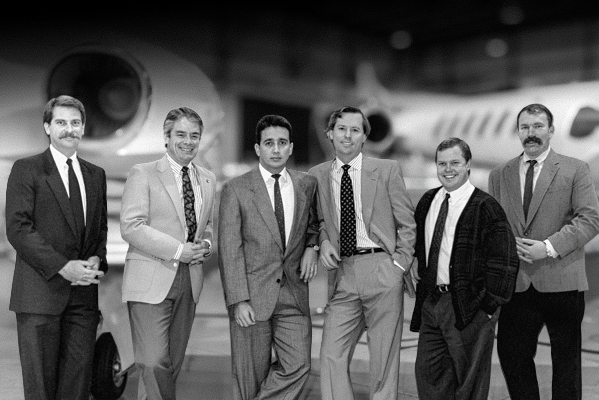
Duncan Aviation hits hard times. The economy slows and interest rates increase to a high of 21%. Overall profits between 1981 and 1985 are flat. Aircraft sales had formerly accounted for 80% of the company’s revenues, but that is to change. Robert Duncan and the other team members form strong strategies exemplifying Duncan Aviation’s unique entrepreneurial nature.

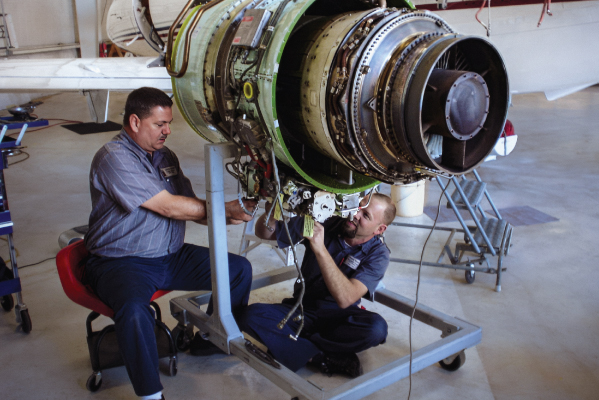
Duncan Aviation receives Garrett AiResearch TPE331 and then AlliedSignal TFE731 major engine authorizations.

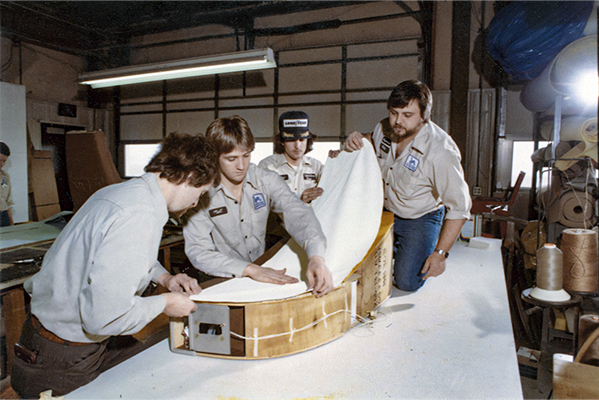
Duncan Aviation starts its Interior Shop.

1984

Duncan Aviation takes its first parts consignment, starting AVPAC, now Duncan Aviation Parts and Rotables Sales.

1985

Duncan Aviation’s first avionics Satellite location, Duncan Avionics-Houston, is opened at Hobby Airport.

1986

For the first time, Duncan Aviation’s service sales exceed its aircraft sales.

1988

Duncan Aviation starts its Avionics/Instrument exchange pool.

1989

Duncan Aviation begins its in-house Calibration Lab for tools and test sets.

1990s.jpg

1990

Duncan Aviation partners with Sotheby’s and hosts the first auction of high-end used business aircraft at its Lincoln location. The auction sells five of 20 aircraft.

Duncan Aviation opens a 20,000-square-foot paint facility that triples the company’s paint capacity.

1991

Duncan Aviation introduces the Project Manager concept, giving customers a main point of contact for all work being done to their aircraft.

1992

Kal-Aero (later Duncan Aviation-Battle Creek) moves into a new hangar at the Battle Creek Airport.

Duncan Aviation begins its aircraft acquisition service aimed at helping those who want to buy business aircraft find the right fit for their needs at a cost not tied to the purchase price of the aircraft.

1994

Harrison and P.K. Duncan are born.

1995

Duncan Aviation becomes a Factory Authorized Service Center for Falcons.

Duncan Aviation begins performing avionics installations in many of its satellite avionics shops.

1998

Duncan Aviation purchases competitor Kal-Aero, giving the company two full-service locations: Lincoln and Battle Creek as well as an FBO facility at Kalamazoo, Michigan.

2000s.jpg

2000

Duncan Aviation’s Engine Rapid Response Teams are started.

The new 123,000-square-foot Donald Duncan Completions & Modifications hangar addition is completed at Duncan Aviation’s Lincoln facility.

2001

Duncan Aviation is recognized in Fortune Magazine’s list of the “Top 100 Companies to Work For.” The company debuted in 2001 at #62, placed #30 in 2002, #25 in 2003, and #77 in 2004.

2005

Duncan Aviation-Battle Creek receives Authorized Challenger Service Center status.

2007

Robert Duncan becomes Chairman Emeritus and Todd Duncan steps into the role of Chairman of Duncan Aviation. 

Duncan Aviation-Battle Creek completes a new 125,000-square-foot facility addition.

2009

Duncan Aviation has to lay off team members in March as the economic downturn that would be known as the Great Recession hits business aviation hard.

2010s.jpg

2010

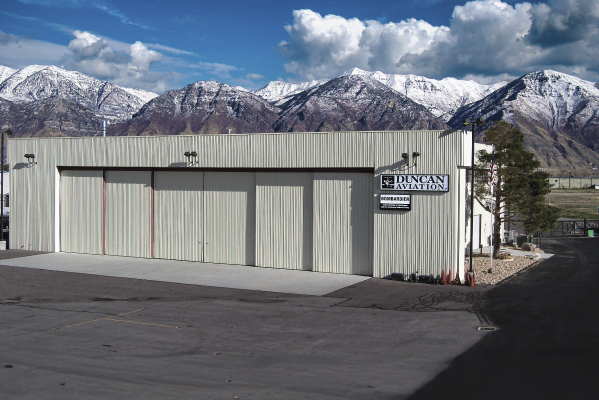
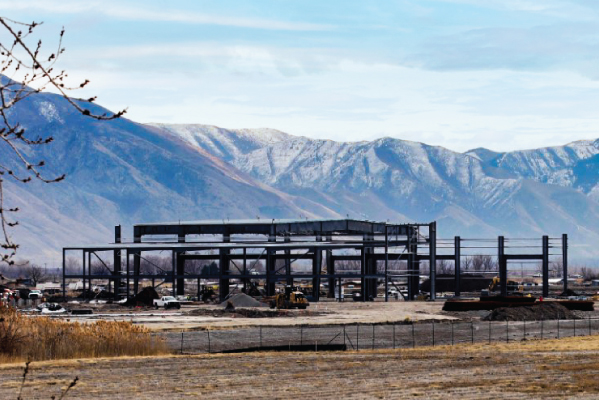
Duncan Aviation opens a maintenance facility in Provo, Utah, with plans for a ground-up maintenance, repair and overhaul facility in the future.

2014

Duncan Aviation adds an additional 175,000-square-foot facility in Lincoln.

2015

Duncan Aviation, in agreement with Honeywell Aerospace, extends its engine service authorizations designating the Lincoln location as a Honeywell AS907 (HTF 7000) Series Minor Maintenance facility.

2016

Duncan Aviation becomes the exclusive AOG service partner for Gogo Business Aviation, supporting Gogo customers with LRU serviceable units and spare parts strategically placed at its network of facilities and avionics satellite locations.

2017

Duncan Aviation signs agreement with Honeywell Aerospace to extend its engine service authorizations in Lincoln to include TFE731 Heavy Maintenance.

2018

Duncan Aviation’s turbofan engine test cell passes all requirements and becomes fully operational.

2019

Duncan Aviation begins offering its NDT (Nondestructive Testing) services on-the-road.

The Line Services team in Battle Creek and Kalamazoo, Michigan, joins those in Lincoln and Provo as IS-BAH accredited.

2020s.jpg

2020

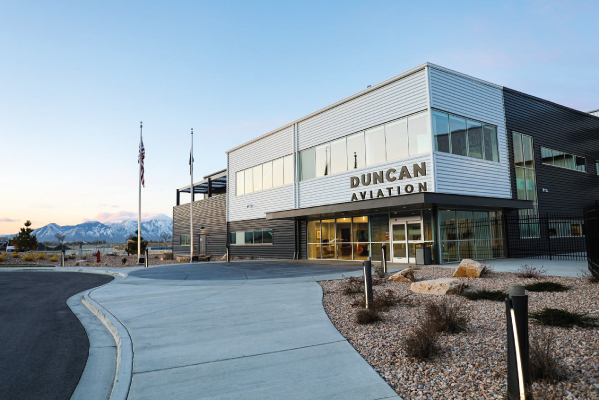
Duncan Aviation completes work on a new, multi-hangar maintenance, modification and paint complex in Provo, Utah. This is the company’s third full-service business aircraft support facility.

2022

Kanan James Duncan is born.

2022

Expansion and reorganization of Duncan Aviation’s parts manufacturing and fabrication capabilities, resulting in a new division called Duncan Manufacturing Solutions, or DMS.

2023

Pratt & Whitney Canada Appoints Duncan Aviation as a Designated Overhaul Facility for Select PW300 and PW500 Business Aviation Engines

Banks Wiley and Charlie Harrison Duncan are born.

2024

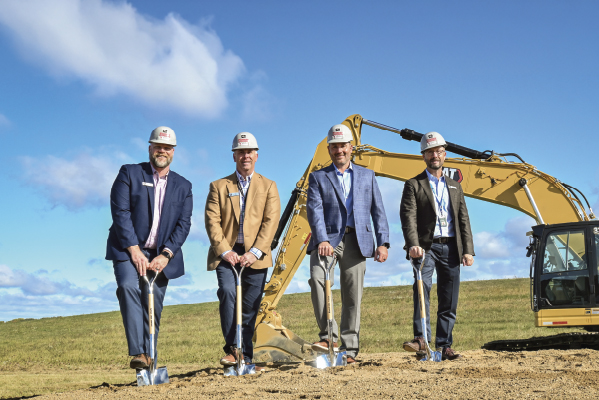
Duncan Aviation completes construction of additional hangar space in Battle Creek and Lincoln.

2025

Duncan Aviation named to Forbes’ Most Trusted Companies in America list

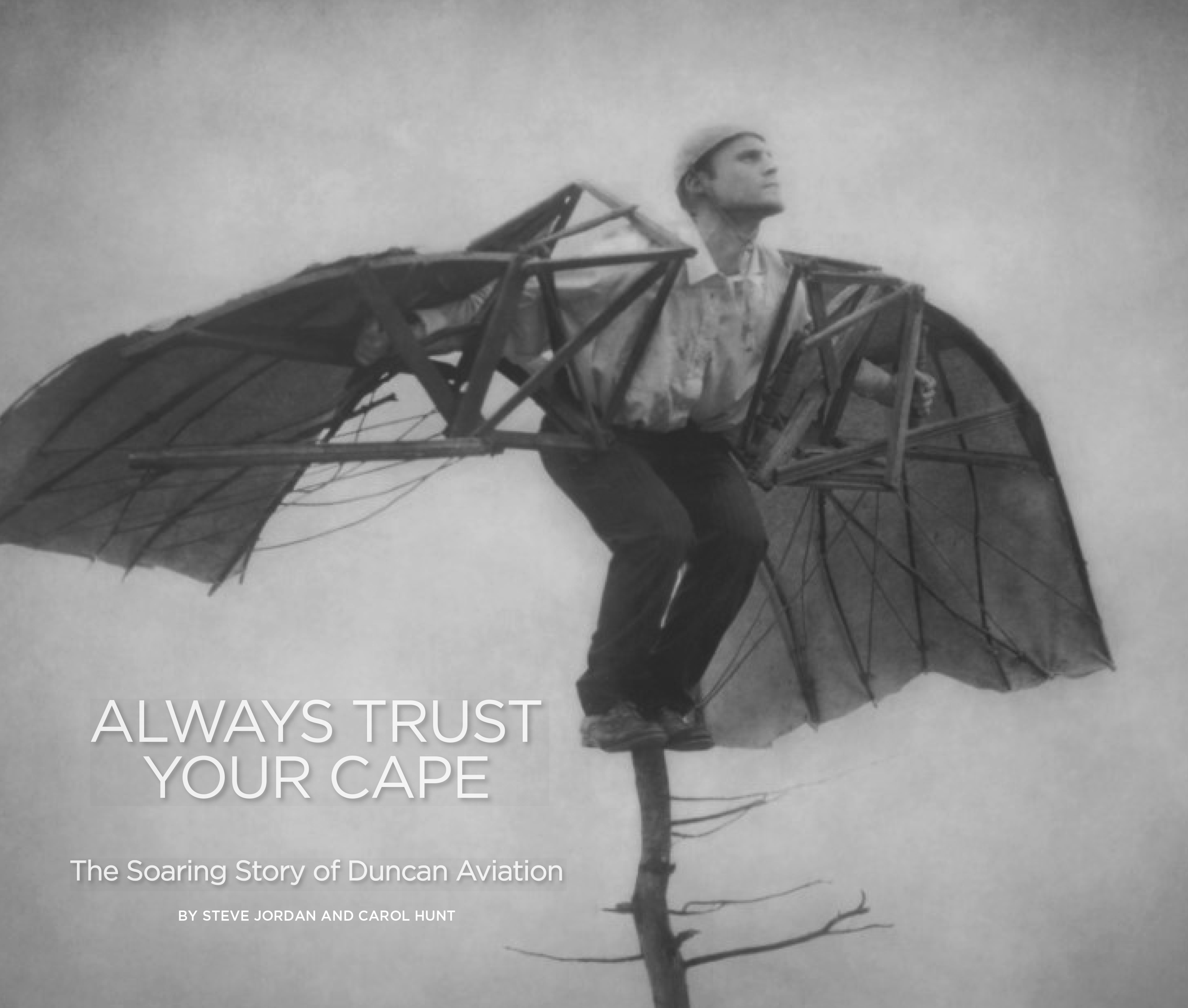
Always Trust Your Cape

If you want to deep dive into the Duncan Aviation history, read our book Always Trust Your Cape.

Honoring Those Who Built Our Legacy
Donald Duncan 1x1.jpg
Donald Duncan
Robert Duncan 1x1.jpg
Robert Duncan
Todd Duncan 1x1.jpg
Todd Duncan
Karen Duncan 1x1.jpg
Karen Duncan
Connie Duncan 1x1.jpg
Connie Duncan
Darlene Christensen 1x1.jpg
Darlene Christensen
Harry Barr 1x1.jpg
Harry Barr
Aaron Hilkemann 1x1.jpg
Aaron Hilkemann
Donald Duncan.jpg

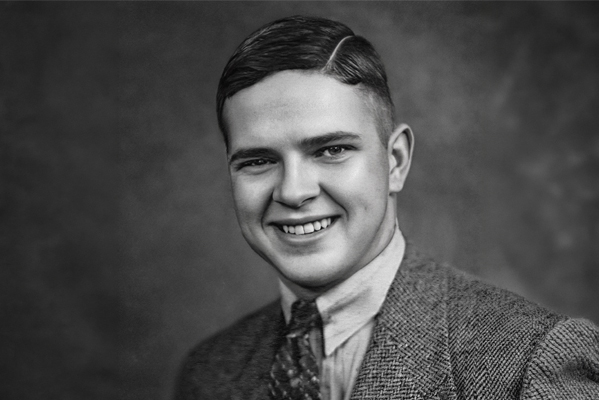
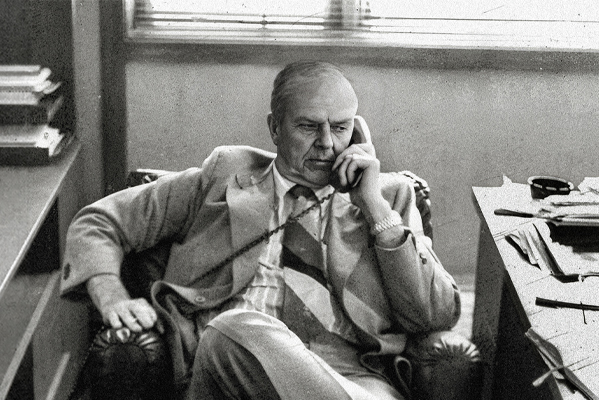
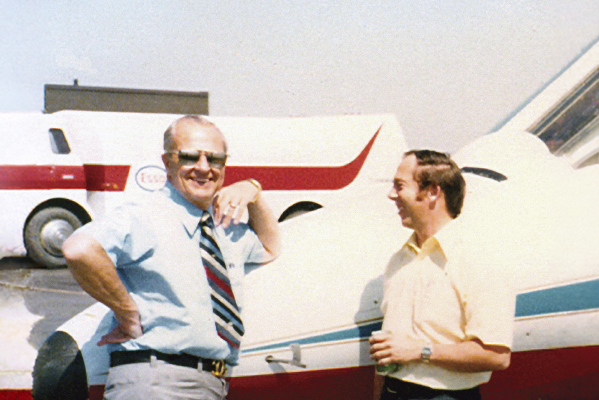
Few people have had a greater impact on Duncan Aviation than its founder, Donald Duncan.

Born near Clarinda, Iowa, in 1922, Donald possessed a remarkable ability to recognize opportunity, build relationships, and inspire others to turn ideas into reality. Whether operating a farm, automobile dealership, bank, or aviation business, he approached every endeavor with optimism, determination, and integrity.

Those qualities became the foundation of Duncan Aviation when he entered the aviation business in 1956. Donald believed business should create value for everyone involved and that trust mattered more than contracts. His handshake was his word.

Perhaps no accomplishment better reflects his entrepreneurial spirit than his early partnership with Bill Lear and Learjet. Through vision, persistence, and mutual trust, Donald helped create opportunities that would influence the future of business aviation.

Today, his legacy lives on in every customer interaction, every problem solved, and every team member who embraces Duncan Aviation’s enduring “can-do” culture.

Robert Duncan.jpg

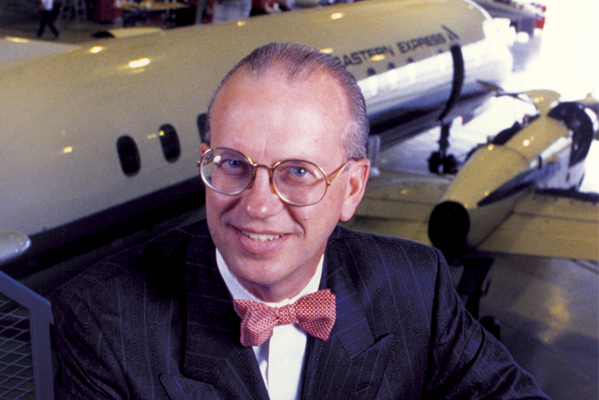
Robert Duncan guided Duncan Aviation through decades of growth by embracing change while remaining steadfast in the company’s core values.

Having worked throughout the business from an early age, Robert understood every aspect of the operation—from fueling aircraft to leading strategic decisions. His experience shaped a leadership style centered on listening, empowering others, and continually improving.

Aviation has been a lifelong passion for Robert. He began flying lessons at age 15, soloed at 16, earned his private pilot license at 17, and his commercial license at 18. At just 23, he became the youngest certified pilot to fly the Learjet. Those years in the cockpit gave Robert a firsthand understanding of aviation and the people Duncan Aviation serves.

Robert has long believed that lasting success requires adaptability. Under his leadership, Duncan Aviation expanded its capabilities, strengthened customer relationships, and fostered a culture where innovation was encouraged and thoughtful risks were embraced.

That adaptability proved especially important in the 1980s, when Robert recognized the opportunity to shift Duncan Aviation’s focus from aircraft sales toward service and support, helping set the course for the company today.

Robert’s commitment to keeping Duncan Aviation family-owned continues today, preserving its culture and values for future generations.

Todd Duncan.jpg

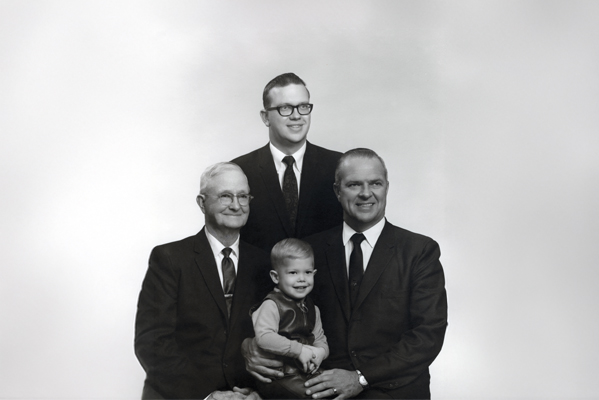
As the third generation of Duncan family leadership, Todd Duncan has focused on preparing Duncan Aviation not only for today’s challenges, but for future generations of customers and team members.

After joining the company in 1988 and gaining experience across multiple areas of the business, Todd developed a broad perspective on leadership, customer service, and organizational growth. He became Chairman of the Board in 2007 and has continued to champion the values established by his grandfather and strengthened by his father.

A licensed pilot with instrument and multi-engine ratings, Todd understands aviation from both the flight deck and the boardroom. His leadership philosophy emphasizes relationships, integrity, teamwork, and a long-term commitment to excellence.

Under his guidance, Duncan Aviation has continued to invest in team member development, expand its capabilities, and strengthen customer relationships while preserving the family-owned culture that sets the company apart.

Perhaps most importantly, Todd has helped ensure that thoughtful succession planning remains a priority. With a fourth generation of the Duncan family now involved in the business, he views stewardship not simply as preserving a legacy, but as preparing the company to thrive for decades to come.

Karen Duncan.jpg

Karen Duncan’s influence can be seen throughout Duncan Aviation’s culture—in its commitment to education, its investment in people, and its appreciation for creativity and lifelong learning.

Alongside her husband, Robert, Karen has long believed that strong organizations are built by supporting individuals and creating opportunities for growth. That philosophy helped inspire initiatives such as the Karen K. Duncan Scholarship Program, which has awarded hundreds of scholarships to children of Duncan Aviation team members pursuing higher education.

Her commitment to recognizing dedication also contributed to the creation of the Silver Wings Club, which honors team members who have devoted 25 or more years of their careers to the company. She and Robert are currently in the process of starting a Gold Wings Club for team members who have worked for Duncan Aviation 50 years or more.

Beyond Duncan Aviation, Karen has championed arts education, cultural engagement, and community involvement. Her appreciation for visual art and learning helped inspire the collaborative anniversary art project itself, making this collection a particularly fitting tribute to her impact.

Through her generosity, curiosity, and belief in people, Karen has helped foster a culture where individuals feel valued, supported, and empowered to succeed.

Connie Duncan.jpg

Connie Duncan, wife of Chairman of the Board of Directors, Todd Duncan, plays a vital and inspiring role at Duncan Aviation, combining her passion for education, philanthropy, and community impact with her position as a member of the company’s leadership. She currently serves as Vice President of the Duncan Aviation Family Trust, a charitable organization that annually awards grants exceeding $500,000 to support education, human services, and aviation/STEM programs in the communities where Duncan Aviation operates.

One of her signature initiatives resulted in a $3.34 million gift to Lincoln Public Schools to build a dedicated aviation and technical-education facility at North Star High School. Connie often emphasizes the impact of hands-on learning experiences and aspires to ignite students’ curiosity about aviation careers.

Within Duncan Aviation, Connie has also been an advocate for the Karen K. Duncan Scholarship, a program that advances the education of team members’ children by awarding merit-based college scholarships. She has spoken publicly about the company’s belief that “our team members are our family,” and sees investing in their futures as a moral responsibility.

Her leadership is rooted in humility, service, and a collaborative spirit. Whether hosting community events, or guiding philanthropic strategy behind the scenes, Connie continues to strengthen Duncan Aviation’s commitment to building bridges between aviation, education, and community.

Darlene Christensen.jpg

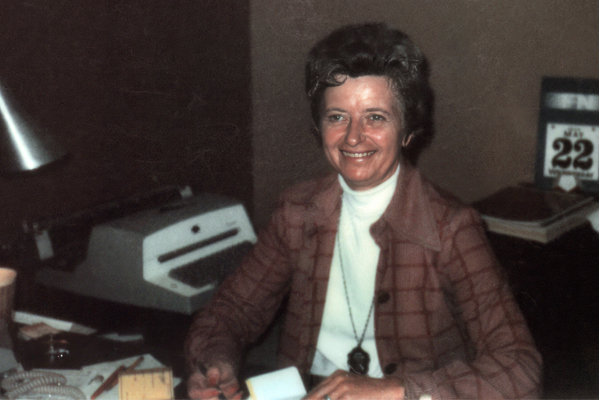
If one was to use a person as the definition of the term “loyal friend,” Darlene Christensen certainly fills that role. Born on December 14, 1929, she began a 50-year association with Donald Duncan and Duncan Aviation in 1954—starting by persuading Donald to hire her at his car dealership so she could pay for the car she bought from him.

Darlene quickly became indispensable, handling payroll, accounting, parts, customer service, and even caring for Donald’s children. She had a deep love for children and animals, always eager to cuddle a child or engage warmly with visitors. She soon recognized Donald’s passion for aviation and supported his shift into the airplane business in 1956, flying daily from Clarinda, Iowa, to Omaha, Nebraska. Her skills were crucial to the budding operation.

As Duncan Aviation grew, Darlene moved with it—eventually settling on a farm near Raymond, Nebraska. Her calm, thoughtful demeanor left an impression on thousands. “It never mattered what time of the day or night or how difficult the problem, Darlene was always there,” said Robert Duncan. She was involved in roughly 3,000 aircraft transactions during her tenure and found joy in every jet takeoff. Darlene worked supporting and inspiring others until she passed away from cancer on June 17, 2004.

Harry Barr.jpg

Harry Barr helped transform Duncan Aviation from an ambitious startup into a growing aviation enterprise through a combination of skill, adaptability, and an unwavering passion for flight.

Born near Clarinda, Iowa, in 1935, Harry immersed himself in aviation from an early age. His enthusiasm quickly evolved into expertise, earning pilot certifications, operating aircraft, and developing the hands-on knowledge that would prove invaluable during Duncan Aviation’s formative years.

Working alongside founder Donald Duncan, Harry became known for his willingness to tackle any challenge. Whether flying aircraft, supporting customers, training pilots, or solving operational problems, he embodied the entrepreneurial spirit that defined the company’s early years.

Among his many contributions, Harry became one of the earliest type-rated pilots on the Lear 23 and helped introduce aviation to a young Robert Duncan by teaching him to fly.

His versatility, technical expertise, and commitment to service helped establish the culture of resourcefulness and customer support that continues to distinguish Duncan Aviation today.

Aaron Hilkemann.jpg

Aaron Hilkemann has been a transformative leader at Duncan Aviation, helping to guide the company through decades of growth, structural development, and cultural strengthening. He joined the company in the mid-1990s as Executive Vice President and Chief Operating Officer, bringing prior experience from banking and finance to the aviation services sector.

In 1997, Aaron assumed the role of President, and soon after, that of CEO. During his tenure, he championed the formation of a robust senior leadership team to help infuse strategic decision-making across the organization. Under his stewardship, Duncan Aviation expanded significantly—quadrupling in size—and invested heavily in facility growth, acquisitions, and market diversification, including establishing its full-service presence in Battle Creek, Michigan, and Provo, Utah.

Aaron’s leadership philosophy is rooted in servant leadership, integrity, and placing people at the center of the company’s mission. He is credited with bringing consistency, formal structure, and collaborative processes to leadership, while preserving the family values and culture that define the organization.

In 2020, Aaron transitioned out of day-to-day operations into a new part-time role as Chairman of the Board of Advisors, allowing him to focus on high-level relationships, mentoring, and guiding long-term strategy. He has also been active in the broader aviation community, serving in leadership roles with industry associations.

Aaron’s legacy at Duncan Aviation is one of growth, stability, and nurturing talent—he has left the organization well positioned for continued success.

Community Art Project

As we celebrate 70 years, As we celebrate 70 years, we’re honoring the people, passion, and family spirit that have shaped Duncan Aviation’s story.

Throughout 2026, Duncan Aviation team members, customers, partners, families, and friends have helped create a series of collaborative works of art—one square at a time. Thousands of individual contributions have come together to create portraits celebrating the people and values that have shaped Duncan Aviation over the past seven decades.

There’s one final opportunity to add your square to the story.

Visit Duncan Aviation at NBAA-BACE, Booth #2333, to participate in our final community art project. Create your square and become part of a one-of-a-kind piece that celebrates the relationships and connections behind 70 years of Duncan Aviation.

Your contribution could come with a prize! Participants will have the chance to be one of 10 contributors to win a Garmin D2 Mach 2 Aviator watch. View the official contest rules.

While you’re there, you’ll also have the opportunity to see the completed anniversary artwork up close and discover how thousands of individual squares came together to create something much bigger.

Join us at NBAA-BACE and add your piece to our story.


Community Art Project

As we celebrate 70 years, As we celebrate 70 years, we’re honoring the people, passion, and family spirit that have shaped Duncan Aviation’s story.

Throughout 2026, Duncan Aviation team members, customers, partners, families, and friends have helped create a series of collaborative works of art—one square at a time. Thousands of individual contributions have come together to create portraits celebrating the people and values that have shaped Duncan Aviation over the past seven decades.

There’s one final opportunity to add your square to the story.

Visit Duncan Aviation at NBAA-BACE, Booth #2333, to participate in our final community art project. Create your square and become part of a one-of-a-kind piece that celebrates the relationships and connections behind 70 years of Duncan Aviation.

Your contribution could come with a prize! Participants will have the chance to be one of 10 contributors to win a Garmin D2 Mach 2 Aviator watch. View the official contest rules.

While you’re there, you’ll also have the opportunity to see the completed anniversary artwork up close and discover how thousands of individual squares came together to create something much bigger.

Join us at NBAA-BACE and add your piece to our story.